How to Propagate Pothos: A Beginner-Friendly Guide to Growing More Plants
Updated: May 19

If there’s one plant I think every beginner plant lover should own, it’s a Pothos. They’re resilient, fast-growing, beautiful trailing plants, and honestly, one of the easiest houseplants to propagate. They can handle a little neglect, grow happily in water, and adapt to almost any lighting situation. Bright indirect light? They love it. Lower light corner? They’ll usually still keep growing.
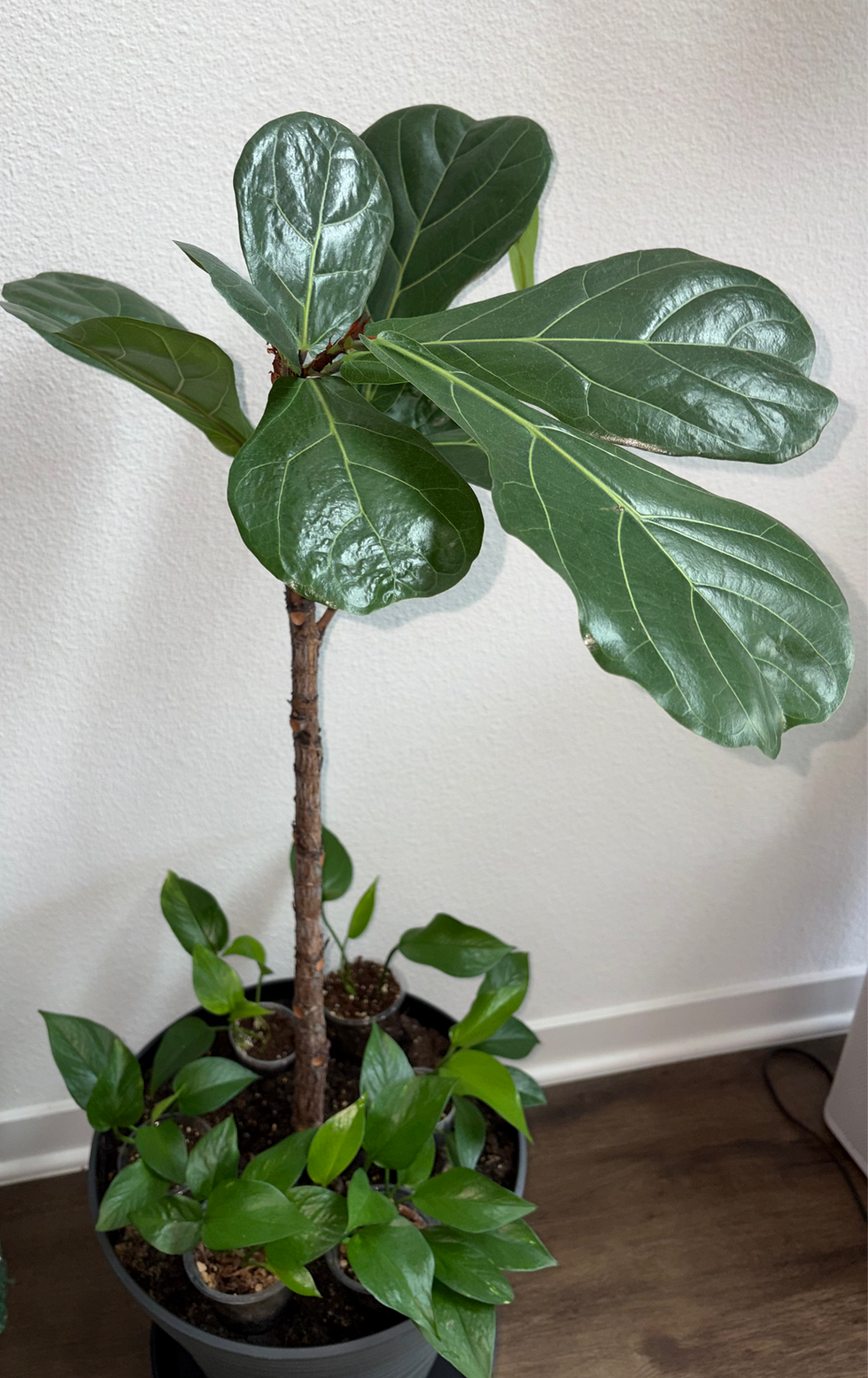
One healthy Pothos can quickly turn into multiple plants with just a few simple cuts. Whether you want a fuller plant, more greenery around your home, or even extra cuttings to gift, trade, or sell, propagation is one of the easiest and most rewarding ways to grow your plant collection. I have grown 10 different Pothos plants from a single mother plant in only a year. Now I will help you grow your collection.
What You’ll Need
Healthy pothos plant
Clean scissors or pruning shears
Small jar or vase
Water (I prefer using distilled water)
Optional: rooting hormone, clear propagation station, grow light
Step 1: Find the Nodes
The most important part of propagating Pothos is finding the node. A node is the small bump on the stem where leaves and aerial roots grow from. This is the area where new roots will begin to form once the cutting is placed in water. Without a node, the cutting will not root.
When making your cut, you want to trim about 1/8 inch below the node. I usually start by looking for a healthy vine with multiple leaves growing along the stem. Then I follow each leaf down to where it connects to the main vine. Those connection points are the nodes. From there, I cut in between each node to create multiple cuttings from one long vine.

Step 2: Take Your Cuttings
Using clean scissors, cut slightly below a node. Each cutting should ideally have:
1–3 leaves
At least one healthy node
A few inches of stem
You can cut between each node along the vine to create multiple new Pothos plants from a single stem. This method is great if you want more propagations at once.
You can also take a longer cutting closer to the base of the vine so multiple leaves and nodes root together. I personally love doing this because once planted, it gives you a much fuller-looking plant right away instead of waiting for a single vine to grow out.

Step 3: Place in Water
Put the cuttings into a jar of clean water, making sure the node is submerged while keeping the leaves above the water line.
Then place the jar in:
Bright indirect light
A warm area
Away from the harsh direct afternoon sun
South-facing windows with bright filtered light work especially well for Pothos propagation. My kitchen gets really nice natural light throughout the day, so I love keeping my cuttings there. It’s become one of my favorite little routines. I get to check on their root growth and “hang out” with them while I cook.
Step 4: Change the Water Regularly
This is a really important step that most tend to skip. You want to refresh the water every few days to keep bacteria from building up. When bacteria build up, they stunt the growth of the roots on your plant. Within 1–3 weeks, you should start seeing tiny white roots forming from the node. Some cuttings root faster depending on warmth, lighting, and the time of year.
Step 5: Transfer to Soil
Once the roots are around 2–4 inches long, your cutting is ready for soil.
I like using a chunky, well-draining mix with:
Potting soil
Perlite
Orchid bark
This helps prevent root rot while encouraging healthy growth.
After planting, keep the soil lightly moist for the first couple of weeks while the roots adjust from water to soil.

One of my favorite things about propagating Pothos is how rewarding the entire process feels. There’s something so satisfying about watching tiny roots slowly form and eventually grow into an entirely new plant. It honestly never gets old. Propagation is also such an affordable and easy way to make your original plant look fuller, grow your collection, create thoughtful gifts for friends, or even start selling rooted cuttings locally or online. If you’re just getting into houseplants, pothos propagation is one of the best places to start because it’s simple, forgiving, and incredibly fun to watch. As I continue experimenting with my own plant collection, I’ll definitely be sharing more about rooting tricks, soil mixes, pest prevention, and how I style propagated plants throughout my apartment and patio garden.

Comments