7 Signs Your Plant Is Hungry & The Best Fertilizer for Each Problem

Just like people, plants need a steady supply of nutrients to grow, produce healthy leaves, and stay resilient. Over time, the nutrients in potting soil become depleted, leaving your plant with little to fuel new growth. The good news? Your plant usually gives you clues before its health starts to decline.
Signs To Look Out For
1. Growth Has Slowed
What it could mean: Your plant has used up the nutrients in its soil.
Best fertilizer: For a plant that needs a boost on ALL its' nutrients.
Balanced fertilizer (10-10-10 or 20-20-20)
Great for most leafy houseplants.
2. Older Leaves Are Turning Yellow
Likely deficiency: Nitrogen (when the leaves turn yellow all over not just at the base of the plant that normally means it is lacking nitrogen.
Best fertilizer: For a plant that needs more Nitrogen.
A fertilizer with a higher first number (such as 20-10-10)
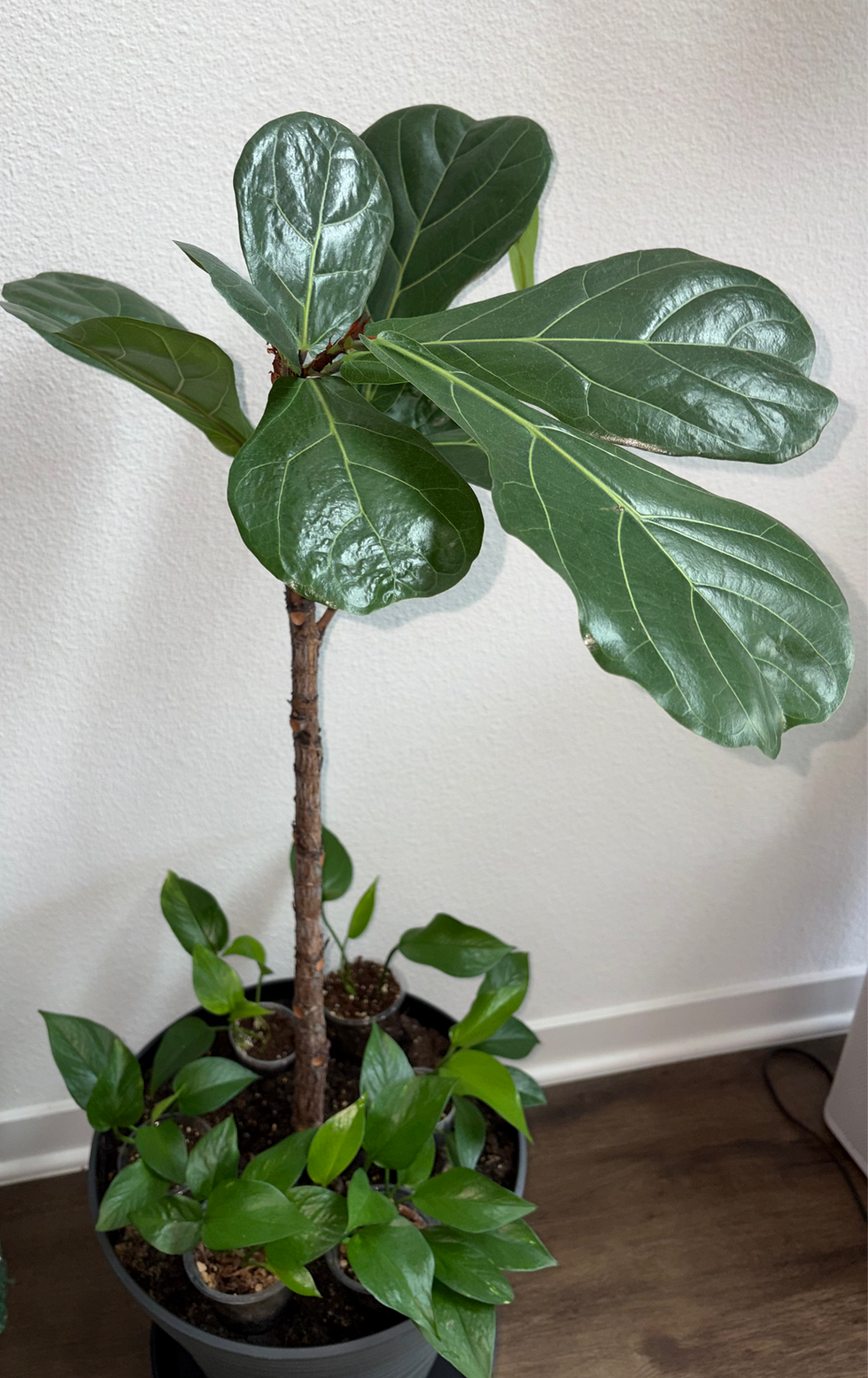
Perfect for foliage plants like Monsteras, Pothos, Philodendrons, and Fiddle Leaf Figs.
3. Leaves Look Pale or Washed Out
Likely deficiency: Nitrogen or iron. If the leaves are pale and lacking blooms it normally points to needing more iron.
Best fertilizer:
Balanced fertilizer first.
If only new leaves are pale while older ones stay green, an iron supplement may help.
4. Weak, Spindly Growth
Likely issue: Not enough nutrients to support strong stems.
Best fertilizer:
Balanced fertilizer.
That is if you have already moved it to get more light and the growth is still looking weak.
5. Tiny New Leaves
Likely issue: General nutrient depletion.
Best fertilizer:
Balanced fertilizer during active growth.
6. Few Flowers
Likely deficiency: Phosphorus
Best fertilizer:
Bloom fertilizer with a higher middle number.
Great for orchids, African violets, hibiscus, roses, etc.
7. Poor Fruit Production
Likely deficiency: Phosphorus and potassium.
Best fertilizer:
Tomato or vegetable fertilizer.
Great for peppers, tomatoes, cucumbers, strawberries.
Remember, more fertilizer isn't always better. Overfertilizing can damage roots and do more harm than good, so always follow the instructions on the label and fertilize during your plant's active growing season whenever possible.
With a little observation and the right nutrients, you'll be able to spot the warning signs early and give your plants exactly what they need to flourish. After all, a well-fed plant is a happy plant!

Comments