5 Beginner-Friendly Houseplants That Are Easy to Grow

Starting a plant collection can be exciting, but it can also be frustrating when your newest plant doesn't thrive. I certainly had a few plants that tested my patience in the beginning. Luckily, these 10 beginner-friendly houseplants were easy to care for, rewarding to grow, and helped turn me into the plant lover I am today.
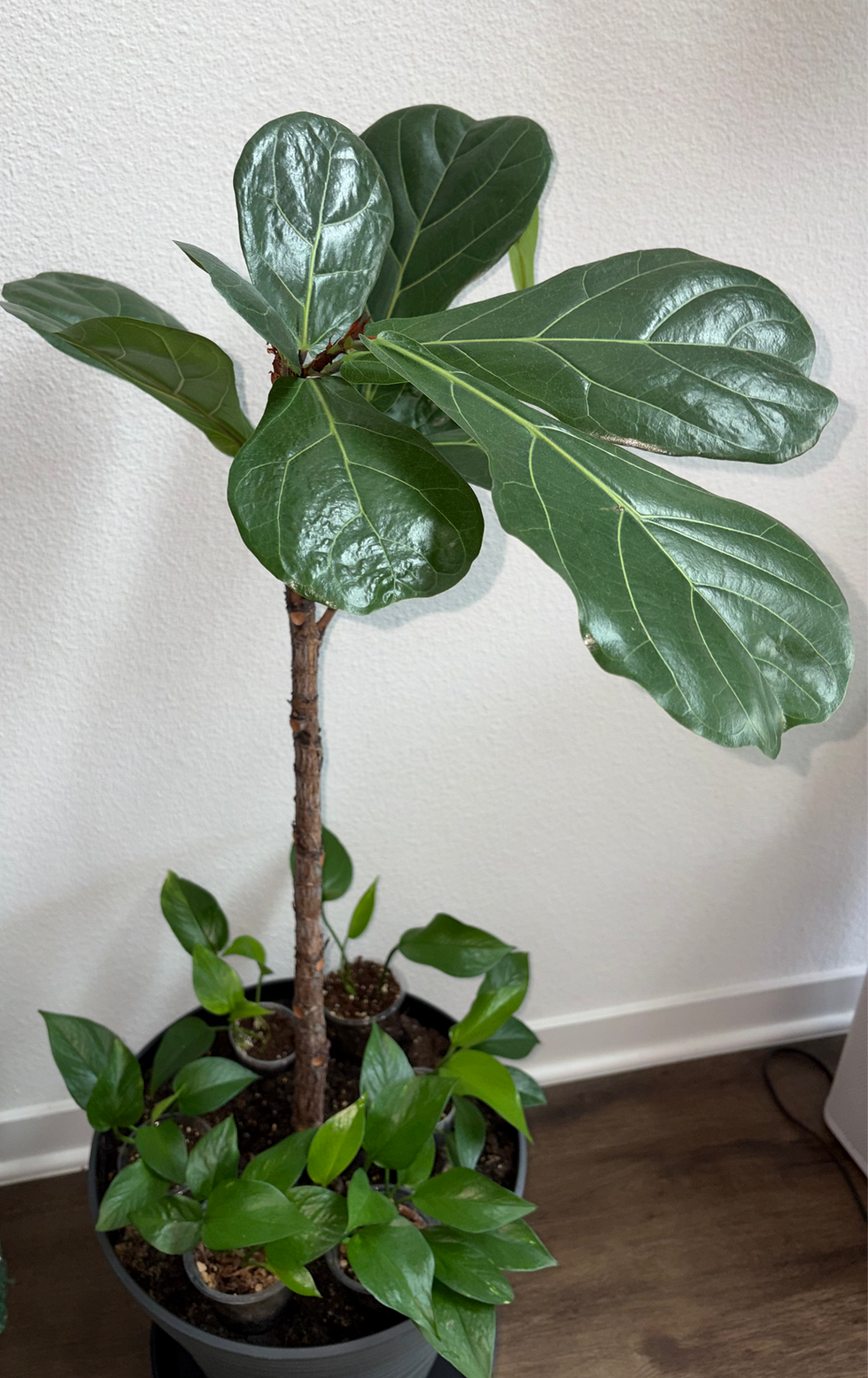
1. Ficus Rubber Plant

The Ficus Rubber Plant was one of the first plants that gave me confidence as a beginner. With its glossy, deep green leaves and upright growth habit, it's both beautiful and surprisingly easy to care for. One thing I especially love about this plant is how easy it is to inspect for pests. The open structure allows you to clearly see the stem and undersides of the leaves, making it much easier to spot and address any problems before they become serious.
Light: Prefers bright, indirect light but can tolerate moderate light conditions.
When I first got my rubber plant, I didn't have much natural light, so it spent most of its time in a corner of the room. Despite that, it adjusted beautifully and continued to grow. After I moved, it was placed near several south-facing windows and received significantly more light. It adapted just as well to the brighter conditions.
One thing I've noticed is that light levels can affect the appearance of the leaves. In lower light, the foliage tends to be a deeper, darker green. In brighter light, the variegated colors become more pronounced, with pink, cream, and other colorful tones standing out depending on the variety.
Water: Water when the top 1–2 inches of soil feel dry. Avoid letting the plant sit in water.
I would recommend bottom watering your Ficus Rubber Plant whenever possible. Bottom watering encourages the roots to grow deeper into the pot as they seek out moisture, helping to establish a stronger root system. It can also help reduce the likelihood of fungus gnats by keeping the top layer of soil drier, making it less attractive for them to lay their eggs.
Humidity: Average household humidity is usually sufficient, though it appreciates slightly higher humidity.
Temperature: Thrives between 60–85°F (16–29°C) and should be protected from cold drafts.
Soil: Use a well-draining potting mix to prevent root rot.
I keep my soil mix simple by using about 60% regular potting soil and 40% perlite. This combination provides good drainage while still retaining enough moisture for the plant's roots. I've found that this mix works well for my Ficus Rubber Plant and helps prevent the soil from staying wet for too long.
Fertilizer: Feed monthly during spring and summer with a balanced houseplant fertilizer.
A balanced houseplant fertilizer works well, and I always follow the dilution instructions on the bottle. During the fall and winter, I usually stop fertilizing since the plant's growth naturally slows down. In my experience, consistent light and proper watering have a much bigger impact on growth than fertilizer alone.
Growth: Can grow several feet tall indoors and may need occasional pruning to maintain its shape.
If you'd like your Ficus Rubber Plant to become fuller and bushier, don't be afraid to prune it. Trimming the newest growth at the top of the plant encourages it to redirect energy into producing new branches and stems rather than continuing to grow upward. Over time, this can create a much fuller, more compact plant.
Pet Safety: Toxic to cats and dogs if ingested.
(DO NOT RECOMMEND if you have curious and hungry fur babies)
2. Pothos

I would say Pothos was love at first sight. At the time, I was living with my parents and using whatever I could find to start my growing plant collection. I planted a garlic bulb in a pot and clipped a small cutting from one of my parents' Pothos plants, hoping it would survive.
I placed the cutting in water and watched in amazement as roots began to emerge. Seeing a piece of a plant grow an entirely new root system after being separated from its mother plant completely changed the way I viewed nature. It felt like a glimpse into just how resilient and adaptable plants can be. That simple Pothos cutting opened my mind to all the possibilities that plant propagation offers, and it sparked a fascination that continues to this day. Not only is Pothos incredibly easy to propagate, but it's also one of the most forgiving houseplants for beginners. For that reason alone, it has earned a permanent place in my collection.
Light: Prefers bright, indirect light but can adapt to medium and low-light conditions.
Very similar to ficus rubber plant.
Water: Water when the top 1–2 inches of soil feel dry.
I would recommend bottom-watering Pothos once it is a more established plant.
Humidity: Thrives in average household humidity but appreciates extra moisture in the air.
At one point, I had a Pothos growing in my shower and another growing in my living room as a little experiment. The one in the bathroom seemed to love the humidity, but the lack of light held it back. If you have a bathroom with a window, I think that would be one of the best places to grow a Pothos. They appreciate the extra humidity and, with enough light, can really thrive there.
Temperature: Prefers temperatures between 65–85°F (18–29°C).
Soil: Grows best in a well-draining potting mix.
60% potting soil and 40% perlite.
Fertilizer: Feed monthly during the spring and summer growing season.
Growth: Fast-growing and easy to propagate from stem cuttings.
Pet Safety: Toxic to cats and dogs if ingested.
(DO NOT RECOMMEND if you have curious and hungry fur babies)
3. Monstera Deliciosa

There was a time when I thought Monsteras were only for experienced plant owners. Their large leaves and dramatic appearance made them seem difficult to care for, but I quickly learned that wasn't the case. In fact, my Monstera turned out to be one of the most rewarding plants in my collection. Watching each new leaf unfurl and reveal its unique shape never gets old.
Light: Prefers bright, indirect light for the best growth and leaf fenestration.
I have it place right by my south-facing window and it is super happy there.
Water: Water when the top 2–3 inches of soil feel dry.
They do great with bottom-watering.
Humidity: Enjoys moderate to high humidity but adapts well to average household conditions.
Temperature: Thrives between 65–85°F (18–29°C).
Soil: Use a chunky, well-draining soil mix with ingredients like perlite, orchid bark, and potting soil.
My Monstera grows just fine in a simple mix of 60% potting soil and 40% perlite. That said, if I were building the perfect Monstera soil mix, I'd add some orchid bark. The bark helps create more airflow around the roots, which Monsteras love, and can encourage a healthier root system over time.
Fertilizer: Feed monthly during spring and summer with a balanced houseplant fertilizer.
Support: Benefits from a moss pole or stake as it matures and begins to climb.
I highly recommend adding a moss pole early so you can get MASSIVE leaves.
Growth: Fast-growing under the right conditions and can produce impressively large leaves.
Pet Safety: Toxic to cats and dogs if ingested.
(DO NOT RECOMMEND if you have curious and hungry fur babies)
4. Spider Plant

The Spider Plant was one of the first plants that made me feel successful as a plant owner. It never seemed to mind my beginner mistakes and continued to grow no matter where I placed it. Before long, it started producing baby plants, which felt like a reward for keeping it happy. Watching those little plantlets develop made me even more excited about collecting and propagating plants.
Light: Bright, indirect light is ideal, but adapts well to lower light.
Spider Plants prefer bright, indirect light. In my experience, they don't appreciate too much direct afternoon sun. I made the mistake of placing mine near a window that received strong afternoon light, and the leaves frequently developed brown tips. Since moving it to a spot with bright, indirect light, it has been much happier and healthier.
Water: Water when the top inch of soil is dry.
This plant does great with bottom-watering.
Humidity: Enjoys humidity but grows well in average homes.
Soil: Well-draining potting mix.
Fertilizer: Feed monthly during spring and summer.
Propagation: Easily propagated from baby plantlets.
Pet Safety: Non-toxic to cats and dogs.
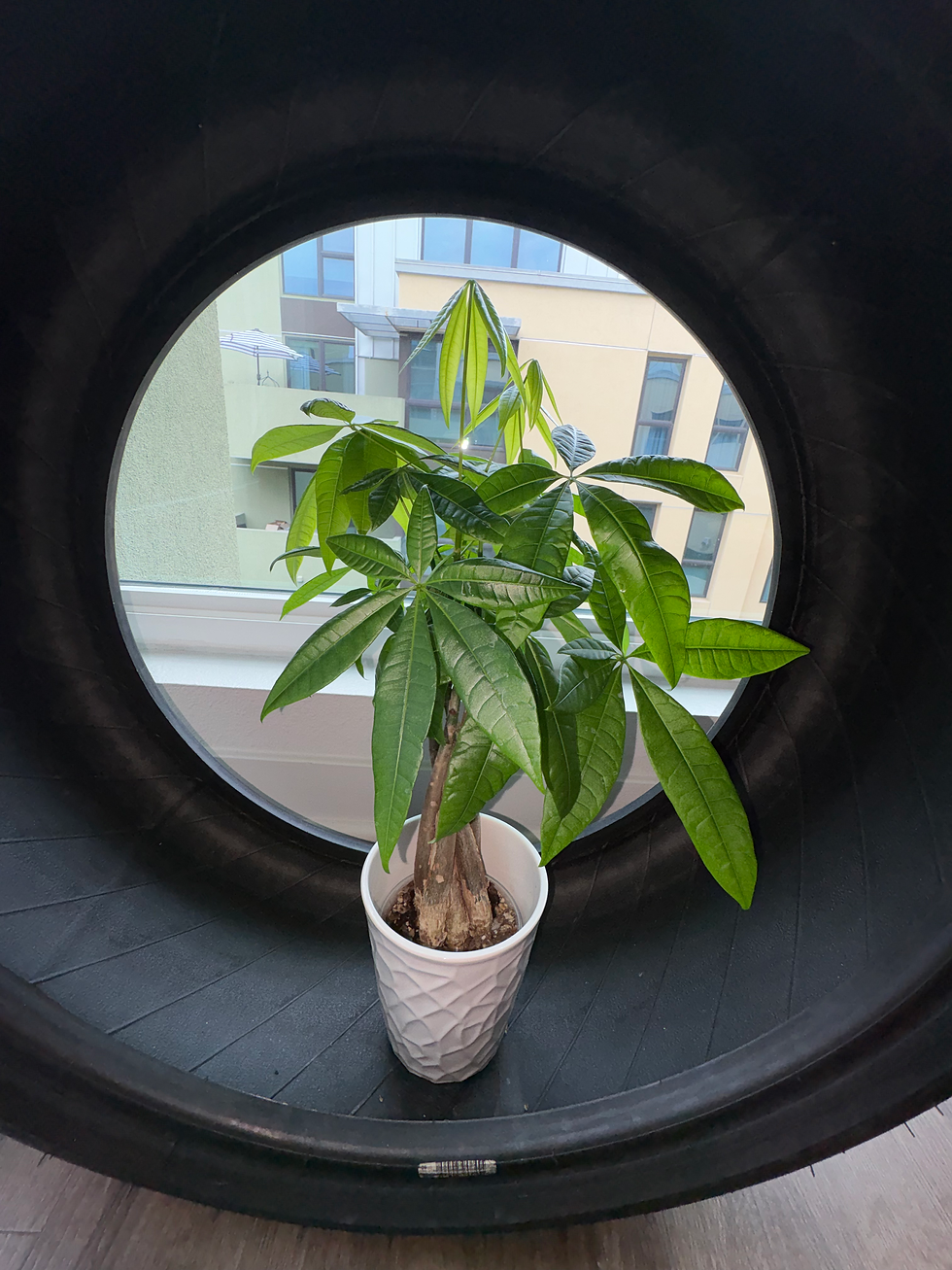
5. Money tree

I'll admit that I originally bought my Money Tree because I liked the look of its braided trunk. Over time, it became one of the easiest plants in my collection to care for. It grew steadily, adapted well to indoor conditions, and never seemed overly demanding. For beginners looking for a larger houseplant with plenty of character, the Money Tree is a fantastic choice.
Light: Prefers bright, indirect light but can adapt to medium light.
I have it right by my south-facing window and it is thriving there pushing out a ton of new leaves.
Water: Water when the top 2–3 inches of soil feel dry.
This plant does great with bottom-watering.
Humidity: Appreciates moderate humidity but adapts well to average household conditions.
Temperature: Thrives between 65–85°F (18–29°C).
Soil: Use a well-draining potting mix to prevent soggy roots.
Needs airy soil so the roots don't rot.
Fertilizer: Feed monthly during spring and summer.
Growth: Can grow several feet tall indoors with proper care.
Pet Safety: Considered non-toxic to cats and dogs.
What I love most about these plants is that they don't require perfection. They adapted to different homes, lighting conditions, and even my beginner mistakes. More importantly, they taught me to observe, experiment, and enjoy the process of learning.

Comments